

treasures 6.4.26
four months until I leave for Korea...

In the garden
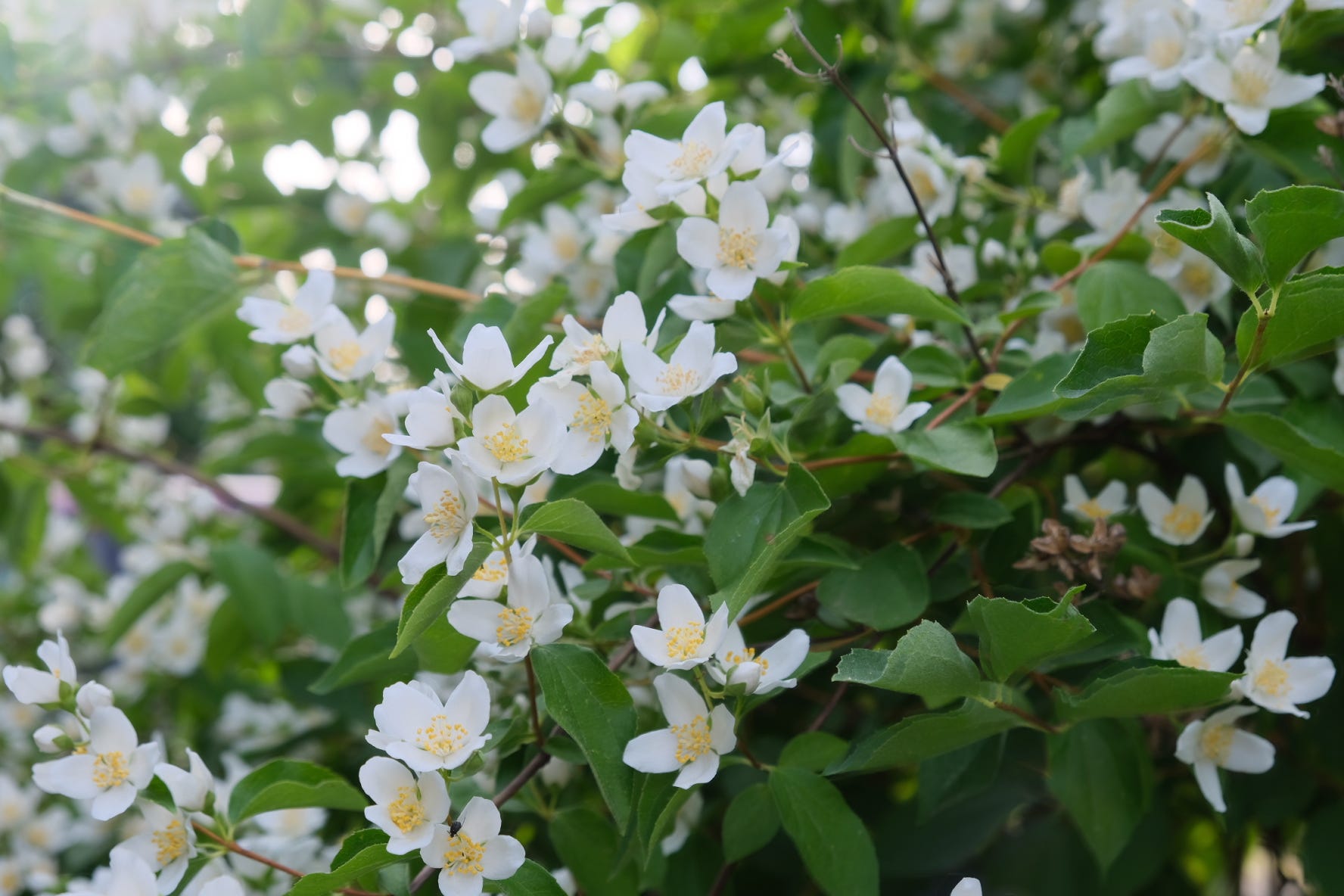
The sweet orange is blossoming and its heady scent fills the garden with pure delight.
Listening
Palestinian poet Fady Joudah on Poetry Unbound with Pádraig O Tuama. Just listen. You’ll thank me.
Reading
A Degree of Mastery, by Annie Tremmel Wilcox
Am I geeking out about a bookbinder apprentice’s memoir? Yes, yes I am, 100%. Do I fantasize about doing the same? Absolutely. Alas, there is no book arts center in Portland…
Lady No, by Kim Hyesoon
I don’t pretend to understand much of the cultural context of these poems, but something about the book’s cover spoke to me and I can’t stop reading them.
Watching
Muji House (a short video series on YouTube featuring Japanese families talking about the space, place, and design of their homes. I especially loved this one of Shinji Yotsu, a permaculture designer in rural Hokuto, Yamanashi.
Can This Love Be Translated? My current favorite K-Drama on Netflix. Kim Seon-ho. Do I need to say more. It’s language study… ha!
Visual
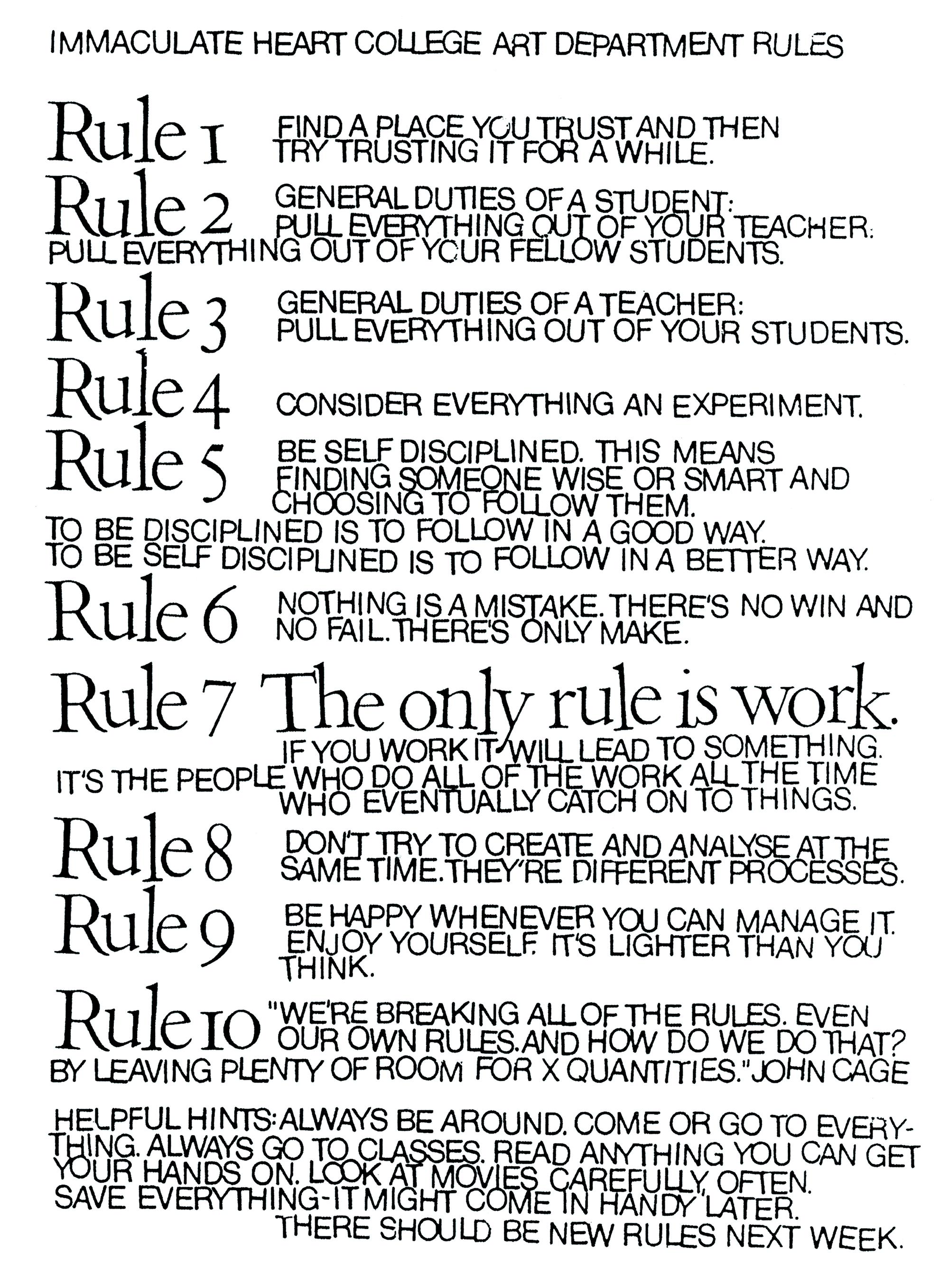
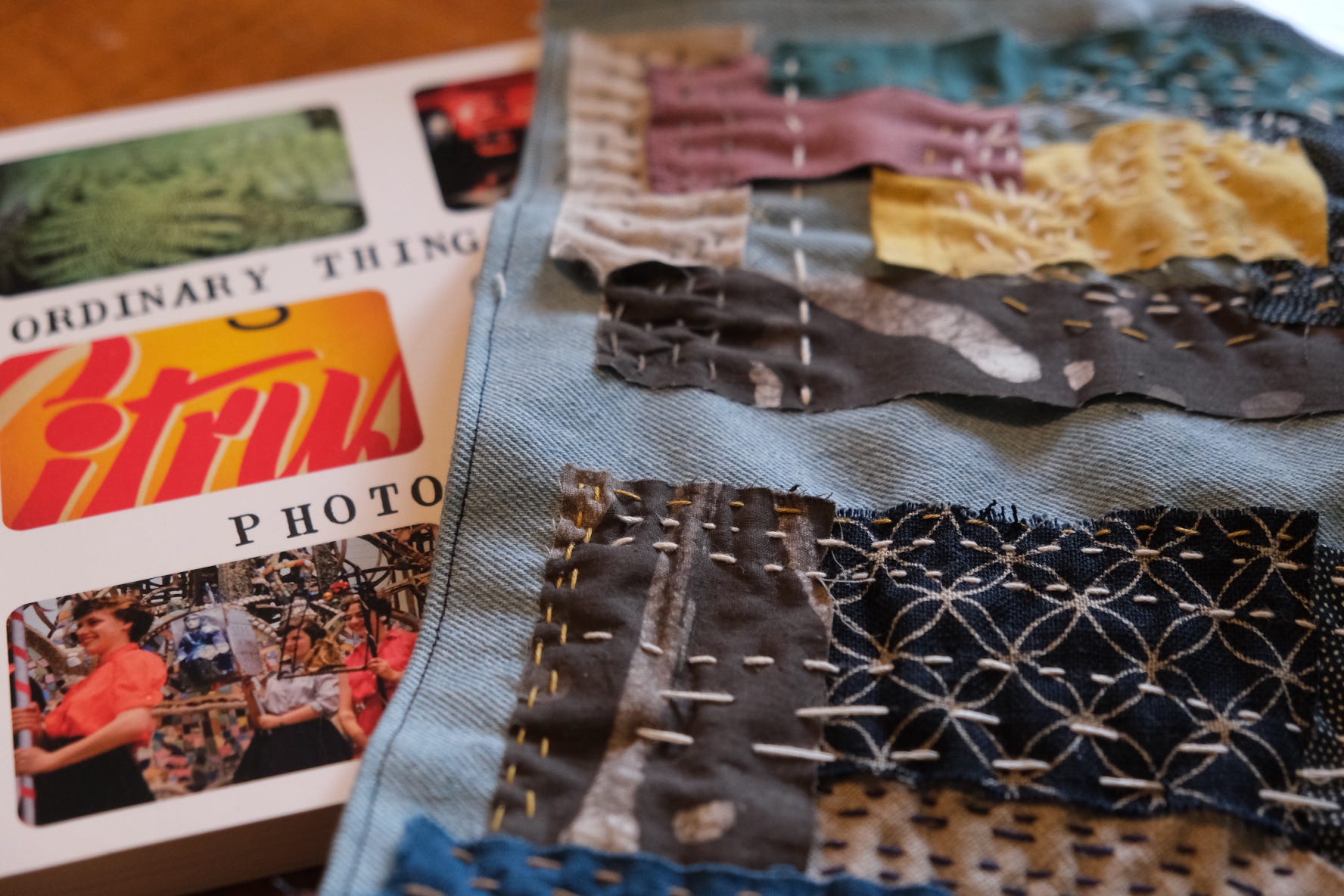
Ordinary Things Will Be Signs for Us: Photographs by Corita (her Ten Rules are printed out and taped above my desk)
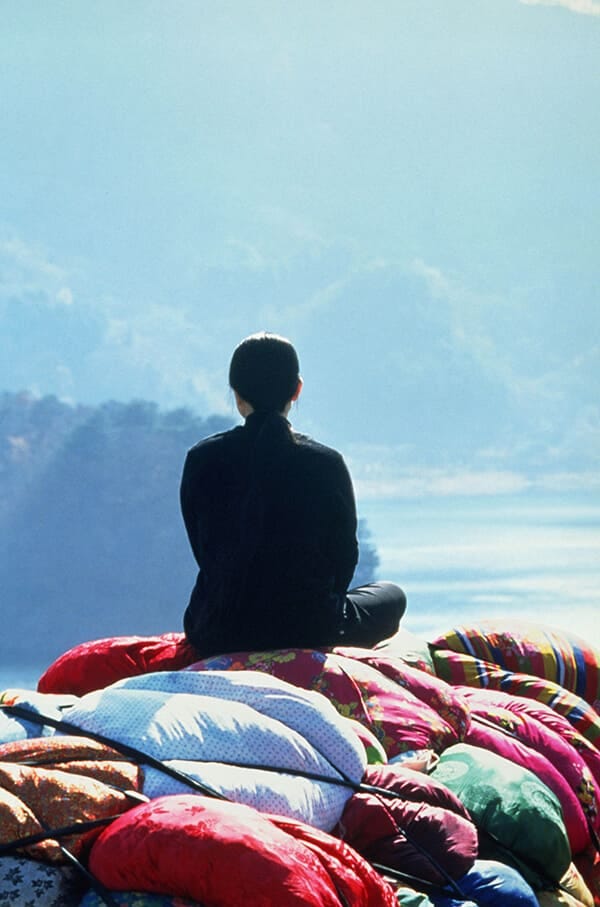
This photo haunts me, but I don’t mind. Bottari are traditional Korean fabrics used to bundle belonging and pack them for travel. There’s something so evocative about this—it touches something deep in me as a part of the Korean diaspora. I feel a kinship with this artist, born 26 years before me in Daegu, the same city as me.
‘As a medium, bottari is traditionally feminine. In Korean, the expression to ‘bundle up a bottari’ means that a woman has lost her status in the household and has been forced out. Bottari also has significance as a container, or vessel, for carrying and transporting all sorts of goods. It can be unwrapped just as it can be bundled up, and in this regard I see our body as being, in the subtlest kind of way, a kind of bottari’. [1] (from Kimsooja’s Bottari and Her Journey)
Making
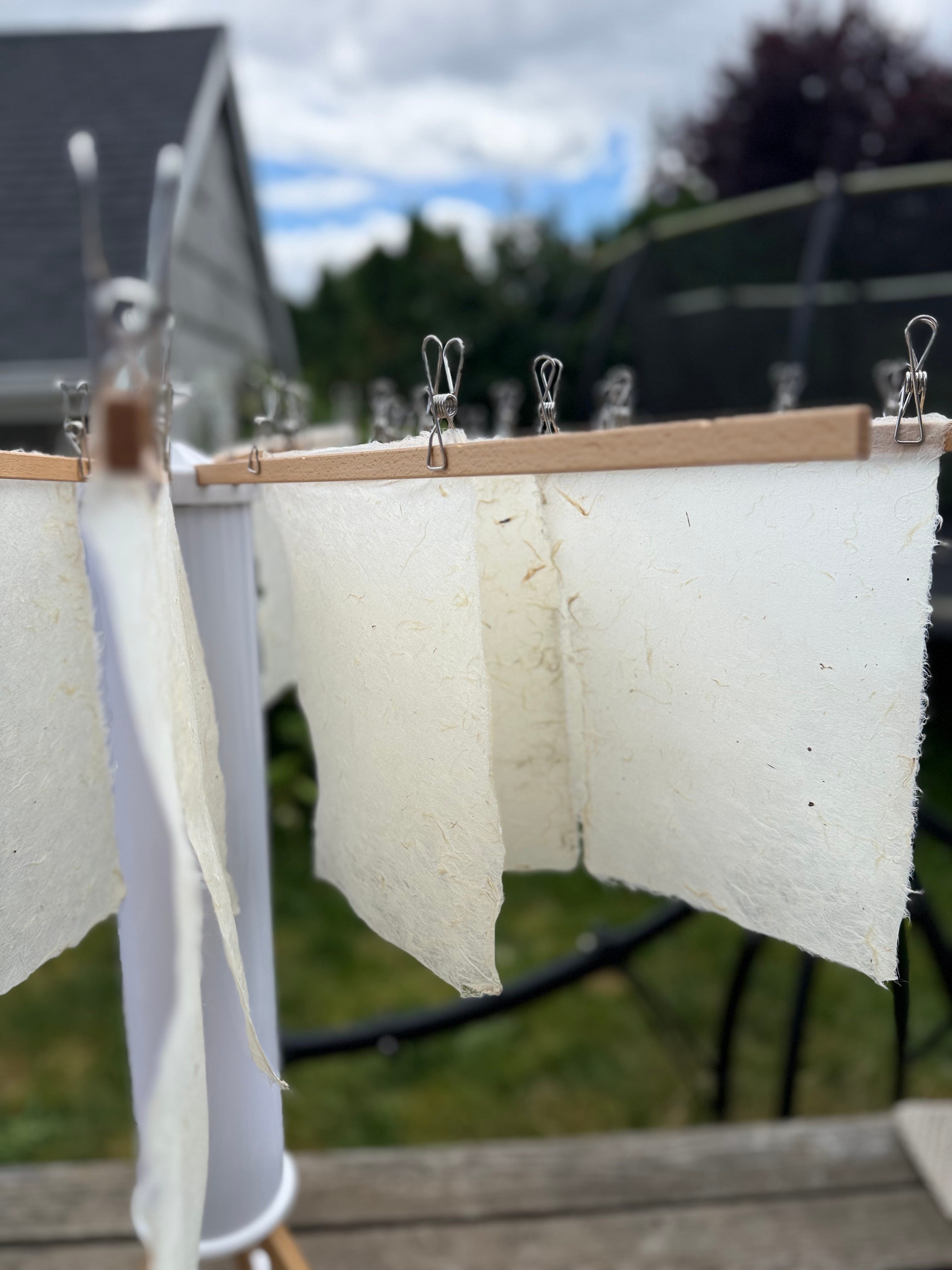
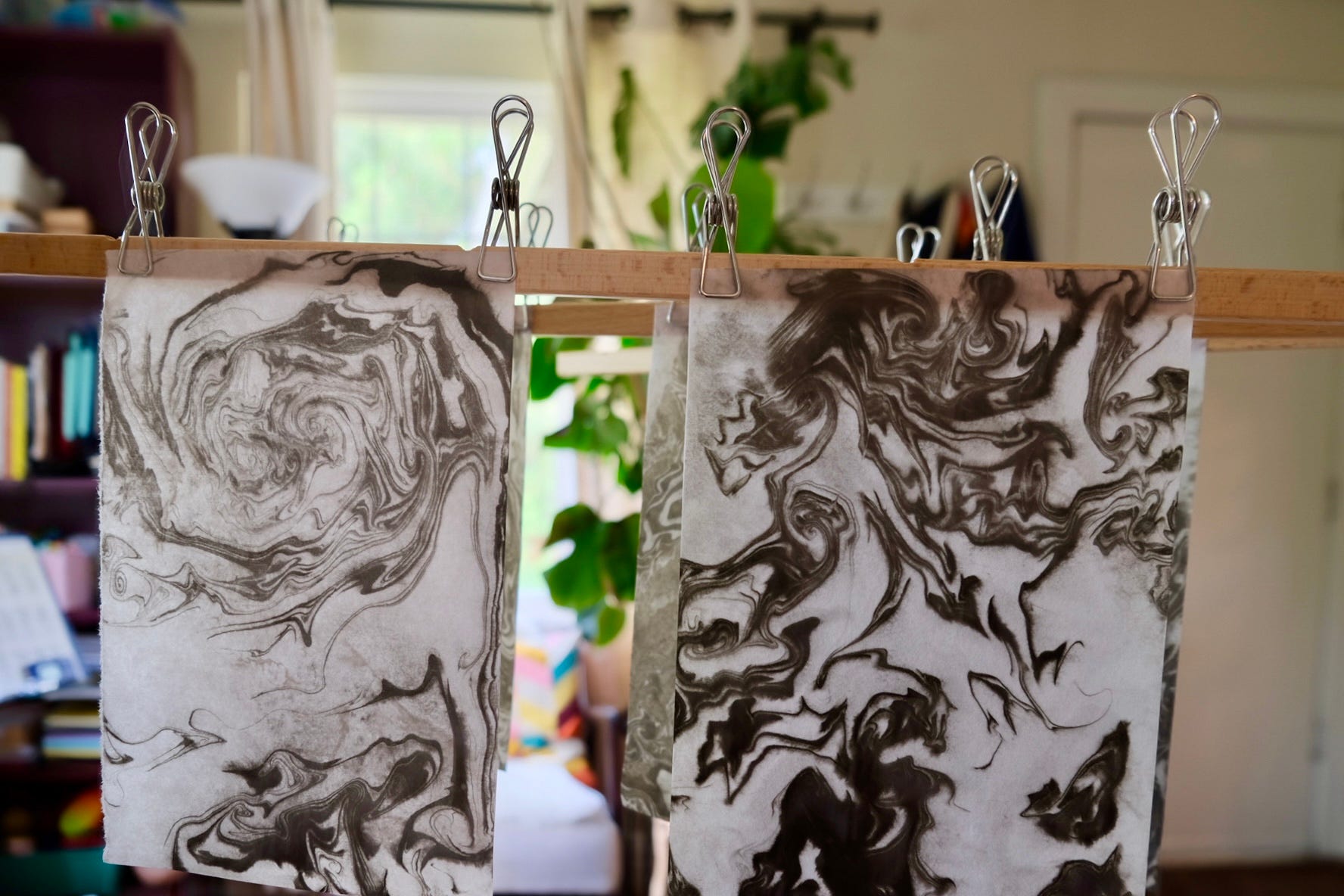
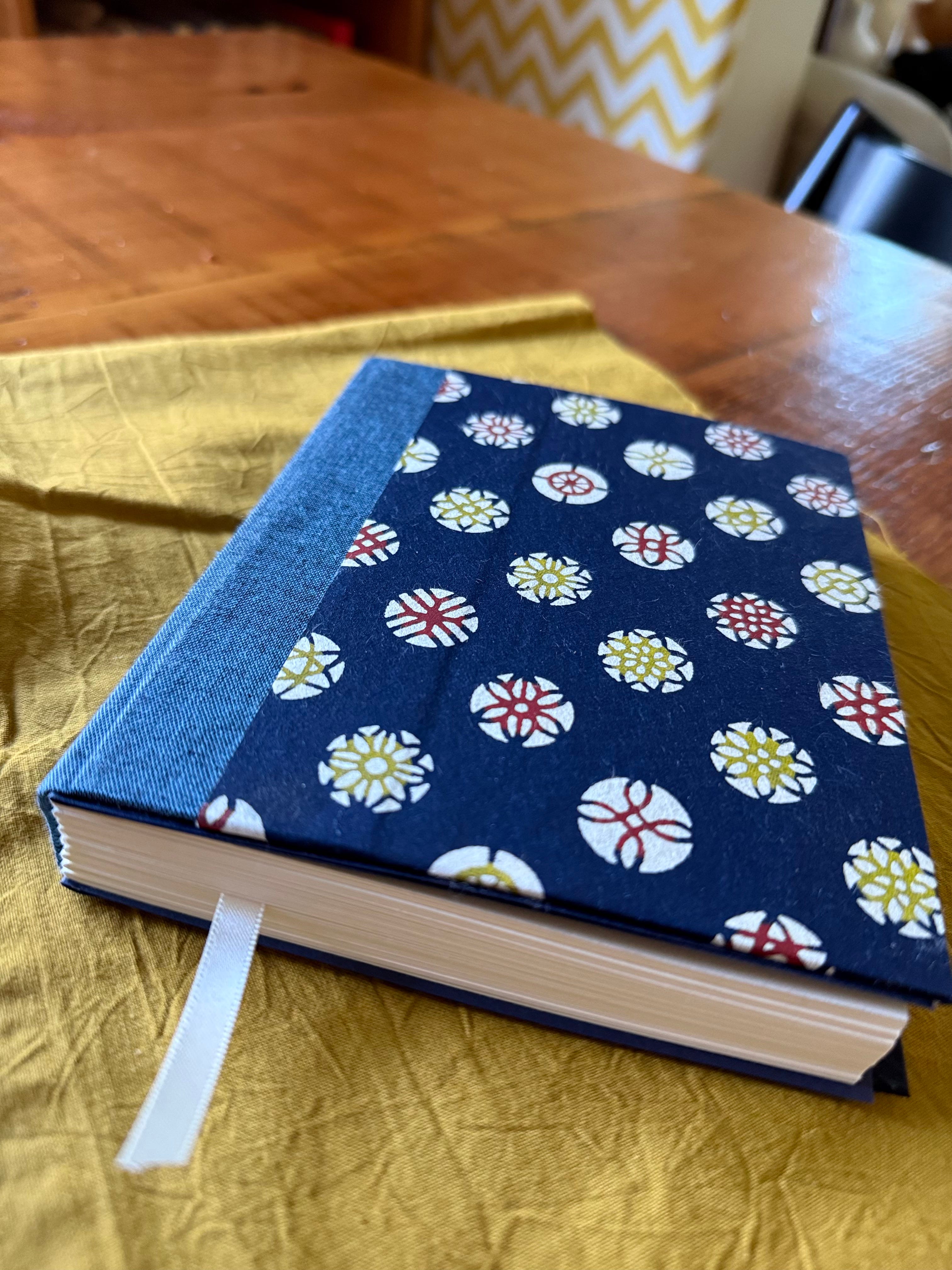
This month has been busy in the studio. I’m making use of this burst of spring energy and have been making books as usual, but also did another round of hanji. I ran out of suminagashi (marbled ink) paper, so made some more of that as well, which I’ll use as end papers for small journals and Japanese stab binding books.
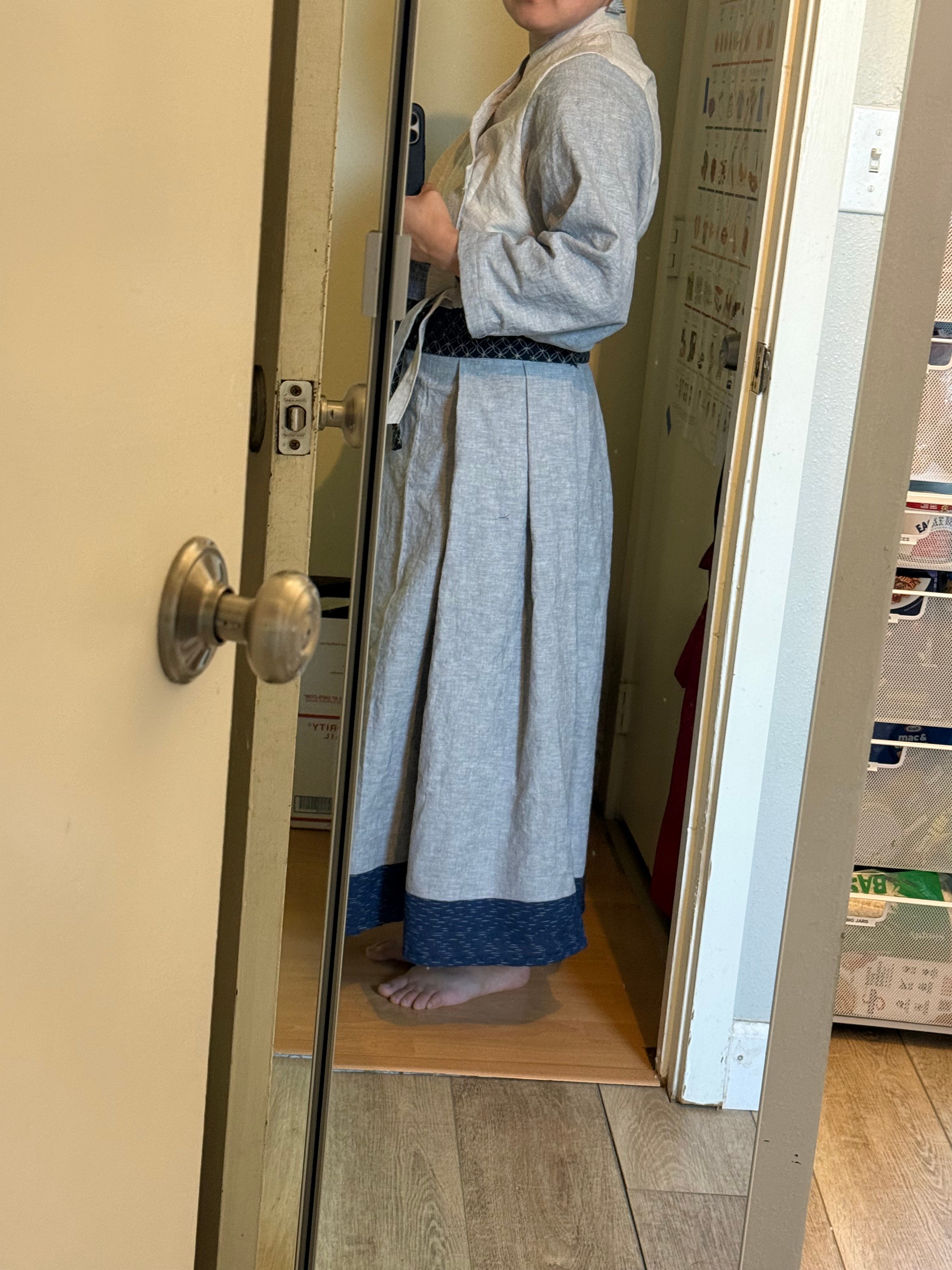
In the textiles realm, I made a hanbok skirt that got sent off as a gift, and then a linen hanbok skirt and jacket for myself that I’ll be wearing this weekend for the Ren Faire. I never felt like I could dress up in western European medieval dress. But a simple linen hanbok? Yes, that is something I can wear and feel like myself in. Also last minute boro stitched a simple pouch to wear with hanbok to carry my phone. I love how easy it is to slip into the moment with stitching, and with suminagashi, too. This is what I wrote about suminagashi on Instagram:
A quiet morning making some new end papers…I’m new to suminagashi, but since being introduced to this gorgeous art form by a friend, I’ve been taken with its meditative qualities.
Here, in one simple form, is a chance to practice deep concentration, attention, letting go of attachment, acceptance of impermanence, self-compassion, beginner’s mind…two hours flew by in the blink of an eye.
What are you reading and listening to these days? What’s capturing your imagination, making you slow down, breathe softer, settle in your body? What music and podcasts are lifting your spirits or stirring your passion?